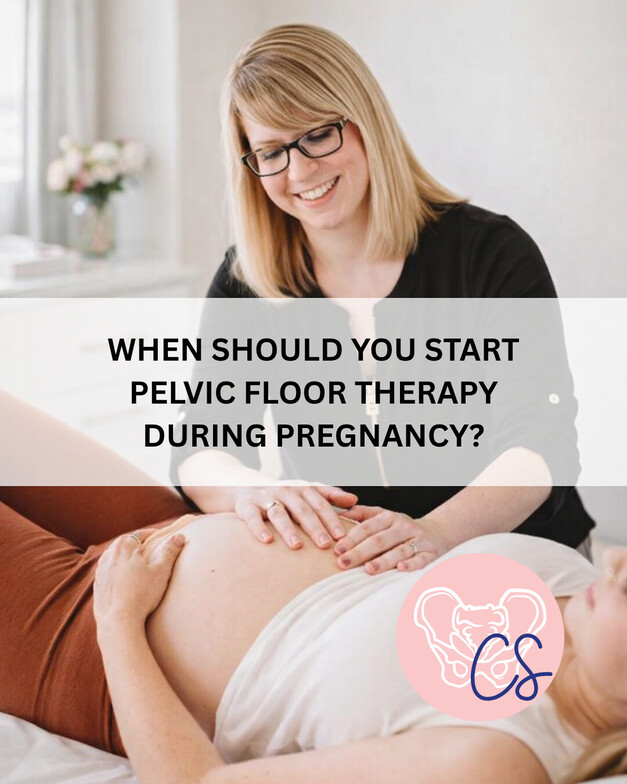
When Should You Start Pelvic Floor Therapy During Pregnancy?
Many women assume that pelvic floor therapy is something you only need after having a baby. But in reality, some of the most impactful work can happen during pregnancy, before symptoms worsen and before your body goes through the demands of labor and delivery.
If you’ve been wondering when the “right time” is to start, the answer is often simpler than you think. It depends less on a specific week of pregnancy, and more on how your body is feeling and what you want to prepare for.
Starting Pelvic Floor Therapy During Pregnancy for Pain or Symptoms
If you’re experiencing discomfort during pregnancy, it’s a clear sign that your body could benefit from support.
Pelvic pain, low back pain, SI joint pain, leaking, or a feeling of pressure are all common, but they’re not things you need to push through.
These symptoms often develop because your body is adapting to new demands:
- Hormonal changes increase joint mobility
- Your center of gravity shifts
- Your core and pelvic floor take on more load
When your body isn’t managing that load efficiently, certain areas can become overworked—leading to pain or dysfunction.
Starting pelvic floor therapy during pregnancy at this stage can:
- Reduce pain and discomfort
- Improve how your body moves
- Prevent symptoms from becoming more limiting as pregnancy progresses
If you’re looking for more support, you can learn more about pelvic floor therapy during pregnancy and how it can help you feel better throughout your pregnancy.
Starting Pelvic Floor Therapy to Prepare for Birth
Even if you’re not experiencing pain, pelvic floor therapy can be incredibly valuable as part of your birth preparation.
During pregnancy, your body is not only growing a baby—it’s also preparing for labor. Understanding how to work with your body, rather than against it, can make a meaningful difference in your experience.
Pelvic floor therapy during pregnancy can help you:
- Improve mobility in your hips and pelvis
- Learn how to effectively relax and coordinate your pelvic floor
- Practice breathing strategies that support pushing
- Understand positions that can make labor more efficient
This type of preparation often leads to:
- Greater confidence going into birth
- A smoother delivery and postpartum recovery
If you want a more structured approach, you can explore our Birth Wellness Program designed to help you feel fully prepared for delivery.
If You’ve Had a Previous Birth
If this isn’t your first pregnancy, starting pelvic floor therapy can be even more beneficial.
Many women carry forward patterns from previous pregnancies or deliveries—whether that’s lingering pain, scar tissue, or changes in how their body moves and functions.
If you’ve experienced:
- Tearing
- A C-section
- A more difficult delivery
Your body may benefit from additional support this time around.
Pelvic floor therapy can help address these patterns, improve how your body is functioning now, and better prepare you for your upcoming birth experience.
Is It Ever Too Late to Start Pelvic Floor Therapy During Pregnancy?
One of the most common concerns is whether it’s too late to begin pelvic floor therapy later in pregnancy.
The good news is:
It’s never too late to benefit from support.
Many women start in their third trimester and still see meaningful improvements in how they feel and how prepared they are for delivery.
That said, starting earlier—often in the second trimester or as soon as symptoms arise—can give you more time to:
- Build strength
- Improve coordination
- Feel more comfortable throughout pregnancy
What to Expect from Pelvic Floor Therapy During Pregnancy
Pelvic floor therapy during pregnancy is always tailored to your individual needs and stage of pregnancy.
Sessions are one-on-one and designed to support both:
- How you feel now
- How you want to feel going into birth
Care may include:
- Movement assessment
- Hands-on treatment to improve mobility
- Guided exercises for core and pelvic floor coordination
- Breathing strategies for pressure management
- Education on pushing techniques and labor positioning
Final Thoughts
There isn’t one “perfect” time to start pelvic floor therapy during pregnancy—but there is a perfect time for you.
If you’re experiencing pain, noticing symptoms, or simply want to feel more prepared for birth, getting support now can make a meaningful difference—not just during pregnancy, but in your recovery afterward as well.
If you’re in the Western NY area, you can request an appointment here to get started.
Chelsea Sawyer
Contact Me

.jpg)
.png)
