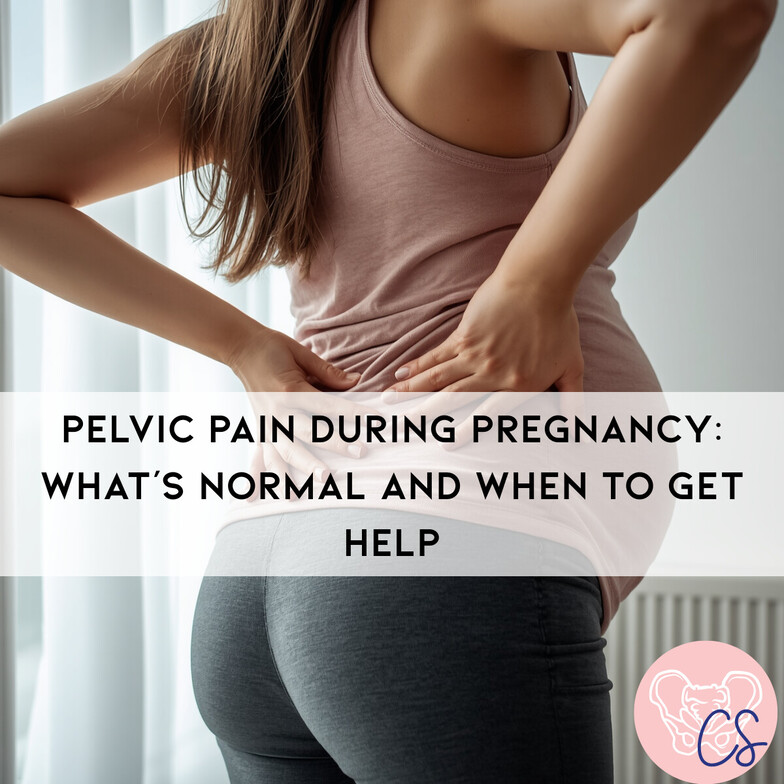
Pelvic Pain During Pregnancy: What’s Normal and When to Get Help
Pelvic pain during pregnancy is something many women experience—but that doesn’t make it easy to deal with.
If you’ve started noticing discomfort in your hips, low back, or pelvic area, you might be wondering:
“Is this just part of pregnancy, or is something wrong?”
The truth is, pelvic pain during pregnancy is common—but not something you should have to push through or ignore.
Your body is going through significant changes, and pain is often a signal that something needs support.
What Does Pelvic Pain During Pregnancy Feel Like?
Pelvic pain can show up in different ways depending on what your body is experiencing. For many women, it feels like a deep ache or pressure that’s hard to pinpoint at first.
You might notice:
- Aching or discomfort in the front of your pelvis (pubic bone)
- One-sided low back or SI joint pain
- Pain with walking, standing, or going up stairs
- Discomfort when rolling in bed or getting dressed
- A general feeling that your pelvis feels “unstable” or off
For some, this discomfort is mild and occasional. For others, it can start to impact daily activities and make movement feel frustrating or limited.
Why Does Pelvic Pain Happen During Pregnancy?
Your body is adapting quickly during pregnancy, and several factors contribute to pelvic pain.
As your pregnancy progresses:
- Hormones increase joint laxity to prepare your body for delivery
- Your center of gravity shifts, changing how you move and load your body
- Your core and pelvic floor are placed under increased demand
When your body isn’t managing that load efficiently, certain muscles—like your low back, hips, or pelvic floor—can begin to overwork. Over time, this can lead to irritation and pain.
Is Pelvic Pain During Pregnancy Normal?
Pelvic pain during pregnancy is:
- Common
- Not something you should ignore or just “deal with”
Pain is your body’s way of communicating that something isn’t being supported well. While it may be a typical experience, it’s not something you need to accept as unavoidable.
What Actually Helps Pelvic Pain During Pregnancy?
A lot of the advice online tends to focus on things like rest, stretching, or doing more Kegels—but these don’t always address the root of the issue.
What actually makes a difference is:
- Improving how your body handles movement and load
- Supporting your pelvic floor in a coordinated way (not just strengthening)
- Learning better strategies for everyday movements like walking, standing, and rolling in bed
If you’re not sure where to start, working with a specialist in pelvic floor therapy can help you understand exactly what your body needs during pregnancy.
When Should You Get Help for Pelvic Pain?
If your pelvic pain is starting to affect how you move or feel day-to-day, it’s a good time to get support.
You may benefit from pelvic floor therapy if you’re experiencing:
- Pain with walking or standing
- Difficulty rolling in bed
- One-sided SI joint or pubic bone pain
- Symptoms that are gradually worsening
Addressing these symptoms early can help prevent them from becoming more limiting as your pregnancy progresses.
How Pelvic Floor Therapy Can Help During Pregnancy
You don’t have to wait until after your baby is born to address pelvic pain.
Pelvic floor therapy during pregnancy can help you:
- Reduce pain and discomfort
- Move more confidently
- Improve your body’s ability to handle the physical demands of pregnancy
- Prepare for labor and delivery
If you want more support throughout your pregnancy, you can learn more about our Birth Wellness Program designed to help you feel strong, supported, and prepared for birth.
Final Thoughts
Pelvic pain during pregnancy may be common—but it’s not something you have to simply live with.
With the right support, you can feel more comfortable, more confident in your body, and better prepared for what’s ahead.
If you’re looking for pelvic floor therapy in Buffalo, NY, you can request an appointment here to get started.
Chelsea Sawyer
Contact Me
.jpg)
.png)
